
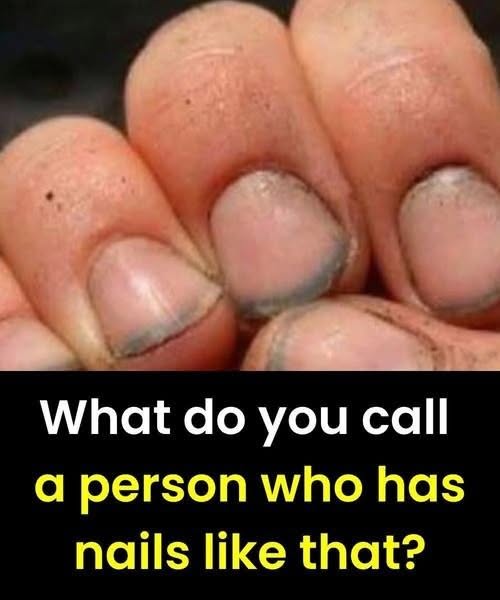
When encountering individuals presenting with noticeably thickened, discolored, or brittle nails, a wave of social judgment often precedes objective understanding. Observers frequently default to superficial conclusions, attributing the visual distortion to poor personal hygiene, severe neglect, or eccentric lifestyle choices.
However, dermatological science firmly demonstrates that the vast majority of abnormal nail presentations have absolutely nothing to do with cleanliness or character. Instead, they are direct physical manifestations of underlying medical conditions, most commonly a widespread fungal infection medically designated as onychomycosis. Deconstructing the stigma surrounding this condition requires analyzing the biological, systemic, and environmental mechanics that govern nail health.
The Biological Science: Keratin Degradation, Dermatophytic Invasion, and Nail Anatomy
How Fungi Destroy the Nail Plate
The human nail is composed of tightly packed layers of keratin, a tough, fibrous structural protein. Onychomycosis is not a surface stain; it is a progressive destruction of this structural matrix:
-
The Fungal Invasion: Microscopic fungal organisms—primarily specialized molds called dermatophytes (such as Trichophyton rubrum), alongside various yeasts and opportunistic molds—gain access to the subungual space through microscopic tears in the surrounding skin or separation lines between the nail plate and the nail bed.
-
Enzymatic Keratinolysis: Once entrenched, these dermatophytes secrete specialized enzymes called keratinases. These enzymes break down and metabolize the solid keratin proteins, utilizing them as a primary food source.
-
Structural Alterations: As the fungal colony multiplies and consumes the protein architecture, it alters the visual and physical properties of the nail. This degradation leads to subungual hyperkeratosis (the accumulation of chalky debris beneath the plate), extensive matrix thickening, crumbling edges, and profound yellow-brown discoloration.
Medically speaking, descriptive language is strictly applied to the pathological condition itself rather than labeling the individual patient. Depending on the exact visual presentation, several distinct clinical conditions may be occurring simultaneously:
-
Onychomycosis: The core fungal infection targeting the structural keratin of the nail plate.
-
Onycholysis: The painless separation of the nail plate away from its underlying vascularized nail bed, creating a hollow, white pocket highly susceptible to bacterial pooling.
-
Onychogryphosis: An advanced condition resulting in severely thickened, curved, and claw-like nail overgrowths, frequently observed in older demographics due to localized trauma or peripheral circulatory issues.
Secondary Diagnoses: What Looks Like Fungi But Isn’t
Visual observation alone is notoriously unreliable for identifying nail pathology, as non-fungal systemic issues regularly mimic fungal damage:
-
Nail Psoriasis: An autoimmune condition causing structural pitting, irregular horizontal ridging, distinct “oil drop” discoloration patches, and severe crumbling that looks identical to advanced onychomycosis.
-
Trauma-Induced Dystrophy: Micro-injuries from repetitive physical friction (such as poorly fitted athletic footwear) can permanently damage the underlying nail matrix, resulting in chronic thickening and discoloration without any active fungal presence.
For Complete Cooking STEPS Please Head On Over To Next Page Or Open button (>)
